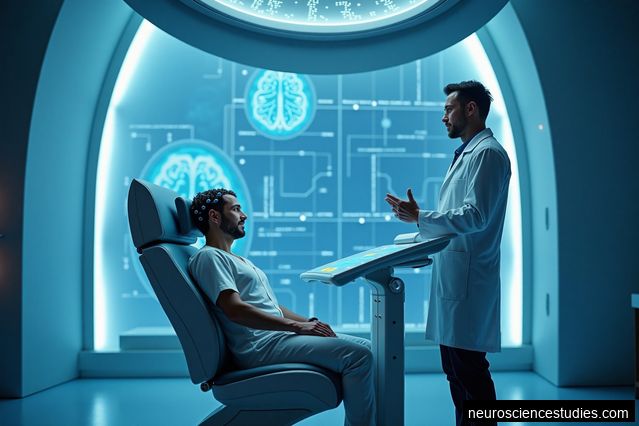
Advancements in Neuromodulation Therapies
Neuromodulation therapies have emerged as promising options for the treatment of various neurological conditions, such as chronic pain, movement disorders, and psychiatric disorders. These therapies involve the use of electrical or chemical stimulation to modulate the activity of the nervous system and restore its normal functioning. In recent years, significant advancements have been made in the field, offering new hope for patients and healthcare professionals alike.
Precision and Personalization
One of the key developments in neuromodulation therapies is the focus on precision and personalization. With advancements in imaging techniques and computational modeling, it is now possible to precisely target specific areas of the brain or spinal cord for stimulation. This level of precision allows for more effective and targeted treatment, minimizing side effects and improving outcomes. Furthermore, personalized approaches take into account individual patient characteristics and tailor the therapy accordingly, maximizing its effectiveness.
Next-Generation Devices
The future of neuromodulation therapies lies in the development of next-generation devices. These devices are designed with advanced features and capabilities to enhance treatment outcomes. For instance, researchers are exploring the use of closed-loop systems that can dynamically adjust the stimulation parameters based on real-time feedback from the patient's brain activity. This closed-loop approach ensures optimal therapy delivery and allows for adaptive treatment strategies. Additionally, miniaturized and wireless devices are being developed, offering greater convenience and improving patient comfort during the treatment process.
Emerging Techniques
In addition to advancements in device technology, new techniques are also being explored in the field of neuromodulation. One such technique is optogenetics, which involves using light-sensitive proteins to control the activity of specific neurons. This technique offers precise control over neural circuits and has the potential to revolutionize the treatment of neurological disorders. Other emerging techniques include ultrasound-based neuromodulation, magnetic stimulation, and gene therapy, each with its own unique advantages and potential applications.
The Promise of Combination Therapies
As our understanding of neurological conditions deepens, it becomes evident that a multi-modal approach may be necessary for effective treatment. Combination therapies, which involve the simultaneous or sequential use of different neuromodulation techniques, hold great promise for addressing complex neurological conditions. By combining the benefits of different modalities, such as electrical stimulation and pharmacological agents, researchers aim to achieve synergistic effects and improve treatment outcomes.
Challenges and Future Directions
While the future of neuromodulation therapies is promising, there are still challenges to overcome. The development of next-generation devices requires significant investment in research and development, as well as rigorous testing and regulatory approvals. Additionally, the field needs to establish standardized protocols and guidelines to ensure the safe and effective implementation of these therapies. Nonetheless, with ongoing advancements in technology and our growing understanding of the brain, the future of neuromodulation therapies holds immense potential for transforming the lives of individuals with neurological conditions.